
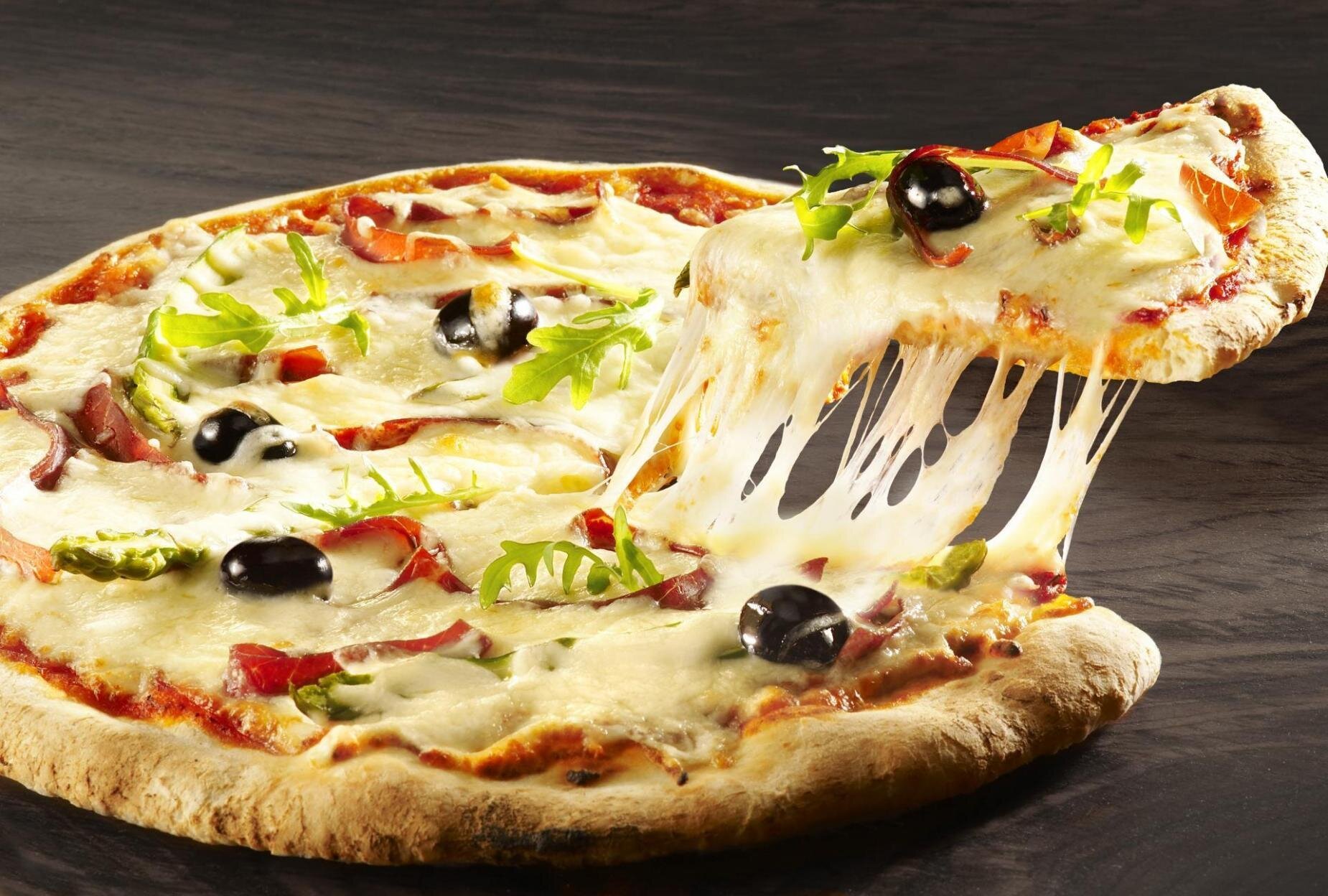
The Industrial Production Process of Pizza Cheese
Industrial pizza cheese is a type of processed cheese manufactured in factories under standardized and hygienic conditions. This type of cheese is usually marketed as processed cheese or industrial mozzarella cheese and, through the combination of various ingredients, achieves characteristics such as elasticity, meltability, and high shelf life.
Raw Materials Used
The main raw materials used in the production of industrial pizza cheese include:
Milk or Milk Powder: The primary base for cheese production.
Vegetable or Animal Fats: To create consistency and improve melting properties.
Milk Proteins (Casein and Whey Protein): To improve structure and elasticity.
Emulsifying Agents (Melting Salts like Phosphates and Citrates): To ensure a uniform texture and prevent fat separation.
Preservatives and Additives: To increase shelf life and create specific cheese characteristics.
Production and Processing Stages
Initial Mixture Preparation: Combining raw materials including milk, milk proteins, fats, and emulsifiers.
Pasteurization: Heating the mixture to eliminate microbes and increase shelf life.
Addition of Enzymes and Coagulants: To form curds and separate whey.
Compression and Shaping: Transforming the curds into a more uniform texture and shaping them into the desired form (blocks, slices, shredded).
Heat Treatment (in Processed Cheese): Melting and homogenizing the materials to create a soft and elastic texture.
Packaging and Storage: Packaging under vacuum or controlled atmosphere to increase shelf life.
Permitted Additives and Their Roles
Emulsifying Salts (such as Phosphates and Citrates): To improve meltability and prevent fat separation.
Modified Starches: To increase consistency and reduce production costs.
Coloring Agents (such as Beta-Carotene): To create a yellowish-golden color in some cheese types.
Preservatives (such as Potassium Sorbate): To prevent microbial growth and extend product shelf life.
Challenges of the Pizza Cheese Industry in Iran, from Raw Milk to Pizza Cheese
Characteristics of Industrial Pizza Cheese
Texture and Consistency
Industrial pizza cheese typically has a uniform, semi-firm, and flexible texture. The amount of fat and emulsifiers used significantly affects its consistency, which can vary from soft and elastic to firm and less stretchy.
Meltability and Stretch
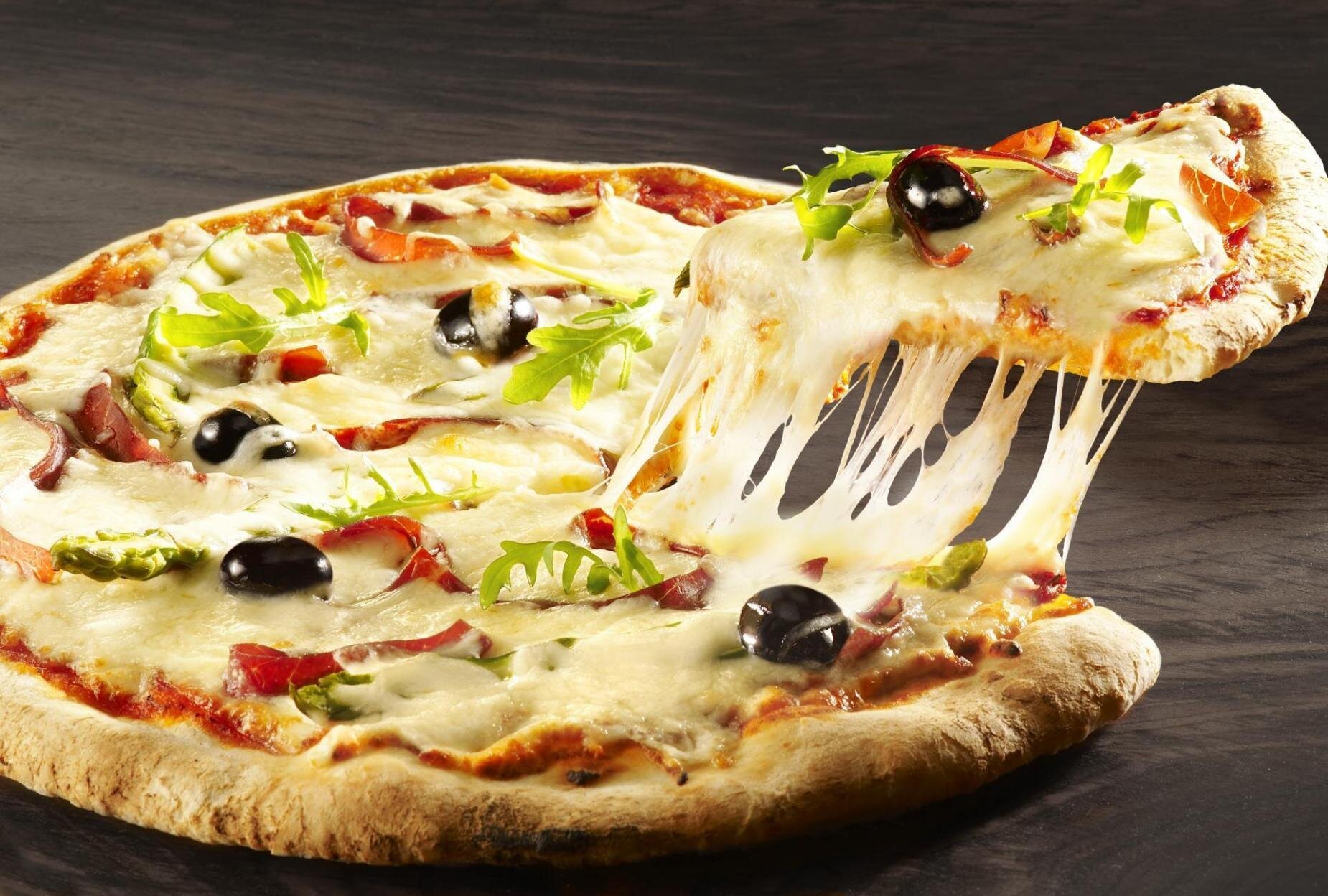
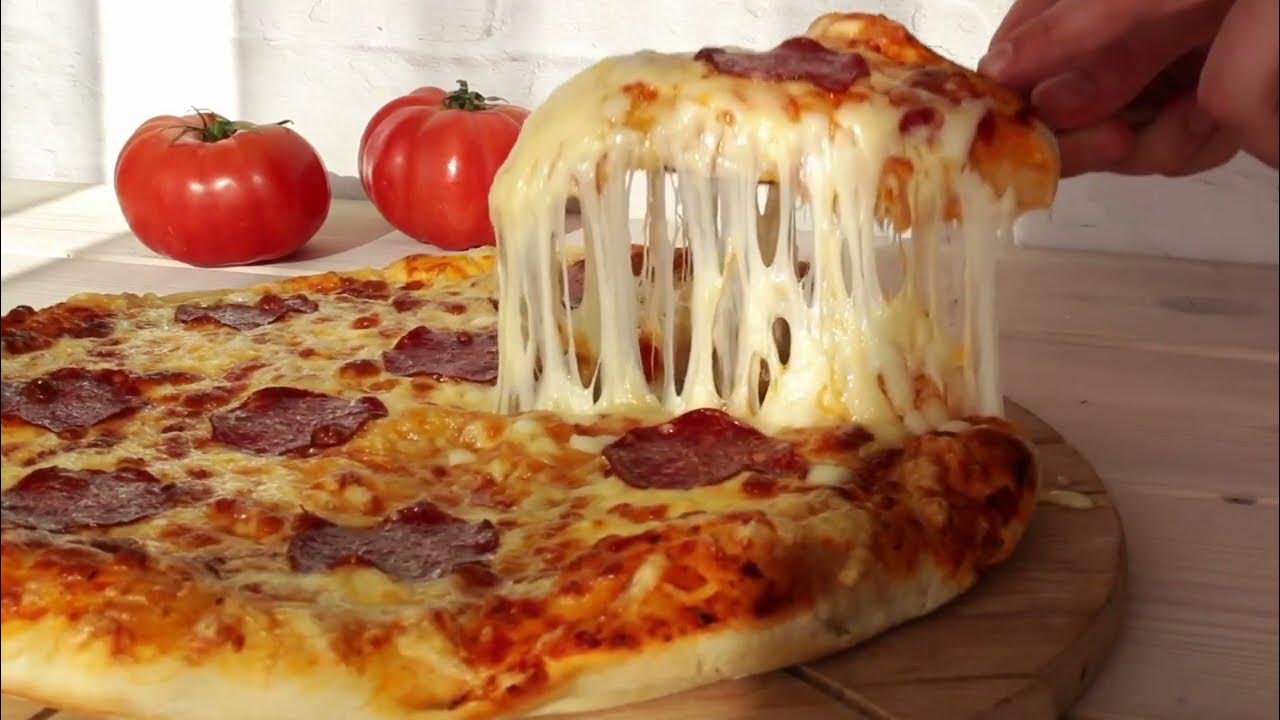
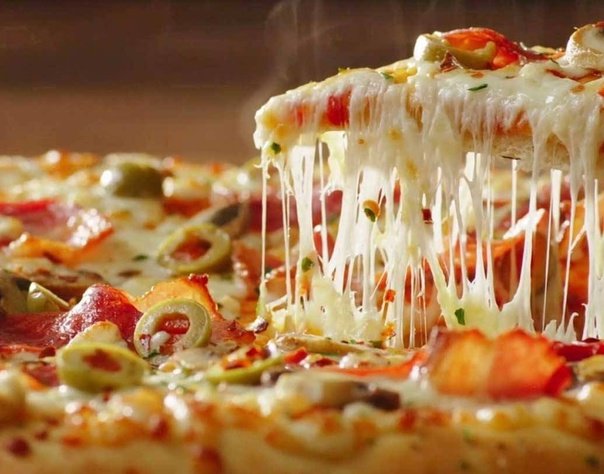
One of the most important characteristics of industrial pizza cheese is its ability to melt evenly and create desirable stretch. This feature is adjusted by the combination of fat, protein, and emulsifiers. Industrial cheeses specifically designed for pizza melt at lower temperatures than natural cheeses and create a more elastic texture.
Taste and Aroma
Industrial pizza cheese usually has a mild and relatively neutral flavor. Due to the use of vegetable fats and heat treatments, its taste and aroma are less pronounced compared to traditional or homemade cheeses. Some manufacturers add specific enzymes to make its flavor closer to natural cheese.
Shelf Life and Storage
Industrial pizza cheeses have a longer shelf life than homemade cheeses due to their specific processing and the use of preservatives. Under standard packaging conditions and refrigeration, they are usually consumable for 1 to 6 months. Some types can also be stored frozen, which extends their lifespan.
Advantages and Disadvantages of Industrial Pizza Cheese
✅ Affordable Price: Lower production costs compared to natural cheeses lead to a lower final product price.
✅ Easy Accessibility: Due to mass production, it is readily available in most stores.
✅ Long Shelf Life: Due to the use of preservatives, it has a longer lifespan than homemade cheeses.
✅ Suitable Meltability and Stretch: The combination of fat, protein, and emulsifiers optimizes it for use in pizza.
Disadvantages
❌ Use of Additives: Some additives like emulsifiers and preservatives may be harmful to health in the long term.
❌ Less Flavor and Aroma Compared to Homemade Cheese: Due to industrial processing, it lacks the flavor complexities of natural cheeses.
❌ Potential Presence of Trans Fats: Some industrial types may contain hydrogenated vegetable fats, which are harmful to health.
Industrial pizza cheese is a cost-effective and accessible option for use in pizza, offering a long shelf life, good meltability, and desirable elastic texture. However, the use of various additives and its relatively mild flavor lead some people to seek more natural alternatives like homemade cheeses. In the next section, we will examine the main differences of homemade pizza cheese.
Types of Homemade Cheeses Suitable for Pizza
Homemade cheeses are one of the best options for people looking for better taste and quality without the use of additives. To read the article on making cheese with vinegar, "How to Make Delicious Cheese at Home? A Step-by-Step Guide!", click on the link. Several types of cheese that are particularly suitable for pizza include:
-
Homemade Mozzarella Cheese
Mozzarella cheese is one of the most popular cheeses for pizza, known for its soft texture, excellent elasticity, and good meltability. This cheese is made at home using various methods and requires high-quality milk and specific cheesemaking enzymes to achieve the best results.
-
Homemade Ricotta Cheese
Unlike mozzarella, which has high elasticity, ricotta cheese has a soft and granular structure and is mostly used for specific pizzas like Margherita or pizzas that require a creamy texture. Ricotta is produced using the whey leftover from making other cheeses.
-
Other Homemade Cheeses
Homemade Cheddar Cheese: Has a stronger flavor and is usually used in combination with mozzarella.
Homemade Parmesan Cheese: Harder and added as a topping on pizza.
Homemade Provolone Cheese: Has a distinct smoky flavor and is used in some pizza styles.
Is Processed Pizza Cheese Really Suitable for Home Consumption?
Methods of Making Homemade Cheeses
Fresh and full-fat milk (preferably unpasteurized or minimally processed)
Rennet enzyme or vinegar/lemon juice (for milk coagulation)
Natural salt for flavoring and preservation
Cooking thermometer to control milk temperature
Cheesecloth or butter muslin for straining the cheese
Specific mold for shaping the cheese (if needed)
Instructions for Making Homemade Mozzarella Cheese
- Heating the Milk: Gently heat the milk to about 32 degrees Celsius (90 degrees Fahrenheit).
- Adding Rennet or Vinegar/Lemon Juice: At this stage, the milk will begin to coagulate.
- Cutting the Curds: Once the curd has formed, cut it into small cubes.
- Heating and Stirring: Gently heat the mixture to about 40 degrees Celsius (104 degrees Fahrenheit) to separate the whey.
- Straining and Stretching the Cheese: Separate the curds from the whey and stretch them several times until they become elastic.
- Shaping and Cooling: Shape the cheese as desired and place it in ice water to firm up.
Instructions for Making Homemade Ricotta Cheese
- Boiling the Remaining Whey: Heat the whey to 85-90 degrees Celsius (185-194 degrees Fahrenheit).
- Adding Vinegar or Lemon Juice: This will cause the ricotta grains to form.
- Straining and Shaping: Strain the cheese using cheesecloth and store it in the refrigerator.
Important Tips for Making Homemade Cheese
✔ Choosing the Right Milk: Using raw or minimally processed milk improves the final quality of the cheese.
✔ Temperature Control: Overheating can ruin the texture of the cheese.
✔ Using Natural Salt: Salt not only improves flavor but also helps preserve the cheese.
✔ Proper Storage: Homemade cheeses have a shorter shelf life, so they should be stored in the refrigerator and consumed within a short time.
Characteristics of Homemade Cheeses
Texture and Consistency
The texture of homemade cheeses is usually softer and more natural than industrial types. The moisture content and preparation method can affect the final consistency.
Meltability and Stretch
Homemade mozzarella usually has good meltability and stretch, but due to the lack of emulsifiers, it may be slightly different from industrial samples. Ricotta and some other homemade cheeses are mostly used as toppings and have less elasticity.
Taste and Aroma
Homemade cheeses usually have a richer taste and aroma because they lack industrial additives, and the natural flavor of the milk is preserved.
Shelf Life and Storage
Homemade mozzarella lasts about 3 to 5 days in the refrigerator.
Ricotta can be stored for a maximum of 3 days due to its high moisture content.
To increase shelf life, the cheese can be kept in a brine solution or vacuum-sealed.
Advantages and Disadvantages of Homemade Cheeses
Advantages
✅ Better Taste and Aroma: Free of industrial additives, with a more natural and richer flavor.
✅ No Additives: Healthier than industrial cheeses.
✅ Higher Nutritional Value: Contains more natural protein and fat, and some beneficial enzymes are preserved.
Disadvantages
❌ Time-Consuming Preparation: Making some cheeses, like mozzarella, requires time and precise steps.
❌ Need for Experience and Skill: Controlling temperature, acidity, and the fermentation process requires accuracy.
❌ Shorter Shelf Life: Due to the lack of preservatives, it spoils faster and should be consumed within a short time.
Homemade cheeses are an excellent option for those seeking quality, better taste, and a healthier product. However, their production process requires experience, and they have a shorter shelf life than industrial cheeses. When choosing between industrial and homemade cheese, factors such as time, cost, quality, and health considerations play an important role.
Comparison of Industrial Pizza Cheese and Homemade Cheeses
The choice between industrial pizza cheese and homemade cheeses depends on individual priorities. Some people prefer natural taste and quality, while others prioritize ease of use and affordable price. In this section, we compare these two types of cheese from different aspects.
- Comparison of Sensory Characteristics (Taste, Aroma, Texture)
| Characteristic | Industrial Pizza Cheese | Homemade Cheeses |
| Taste | Uniform, sometimes slightly bland due to processing & additives | Natural, richer, and more varied depending on milk type and processing |
| Aroma | Mild, sometimes odorless or with artificial scent | Stronger and more natural depending on preparation method |
| Texture | Soft and uniform, suitable for mass production | Varied, from soft and creamy (ricotta) to elastic and semi-firm (homemade mozzarella) |
| ✔️ Result | Homemade cheeses have more natural taste and aroma and varied texture, but industrial cheeses offer greater consistency in sensory characteristics. |
- Comparison of Nutritional Value
| Characteristic | Industrial Pizza Cheese | Homemade Cheeses |
| Fat | May include trans and saturated fats | Natural fat without additives |
| Protein | Usually a specific amount, but protein quality is affected by processing | More natural and better quality protein |
| Additives | Includes stabilizers, starch, and emulsifiers | No artificial additives |
| Calcium | Specific amount but may be affected by processing | Calcium content depends on milk type and is usually higher |
| ✔️ Result | Homemade cheeses have higher and more natural nutritional value, but their preparation requires high-quality raw materials and more time. Industrial cheeses have controlled protein and fat content but may contain additives. |
- Comparison of Price and Accessibility
| Characteristic | Industrial Pizza Cheese | Homemade Cheeses |
| Price | Cheaper due to mass production | More expensive due to natural milk and homemade process |
| Accessibility | Readily available in stores | Must be made at home or purchased from local sources |
| Preparation Time | Ready for immediate use | Time-consuming and requires various preparation steps |
| ✔️ Result | Industrial pizza cheese is a more affordable and accessible option, while homemade cheese is more expensive and requires time to prepare. |
- Comparison of Use in Pizza
| Characteristic | Industrial Pizza Cheese | Homemade Cheeses |
| Meltability | Optimized for uniform melting | Depends on the type of cheese (homemade mozzarella performs well) |
| Stretch | High elasticity due to processing and additives | Homemade mozzarella has good elasticity, but other cheeses are less elastic |
| Adhesion to Dough | Uniform and controlled | May be less adhesive in some cases |
| Combination with other cheeses | Easily combines with cheddar, parmesan, and other cheeses | Combination is possible but requires experience |
| ✔️ Result | Industrial cheeses are a better option for pizzas with high elasticity and uniform melting, but homemade cheeses offer more natural flavor and higher quality. |
Which Option is Better?
If natural quality and high nutritional value are important to you, homemade cheeses are a better choice.
If ease of use, affordable price, and uniform elasticity are more important, industrial pizza cheese is a suitable option.
Combining both types of cheese (e.g., using homemade mozzarella with a small amount of industrial cheese) can help balance taste, quality, and performance in pizza.
The final choice depends on your taste, the amount of time available, and your expectations for the quality of the pizza.