
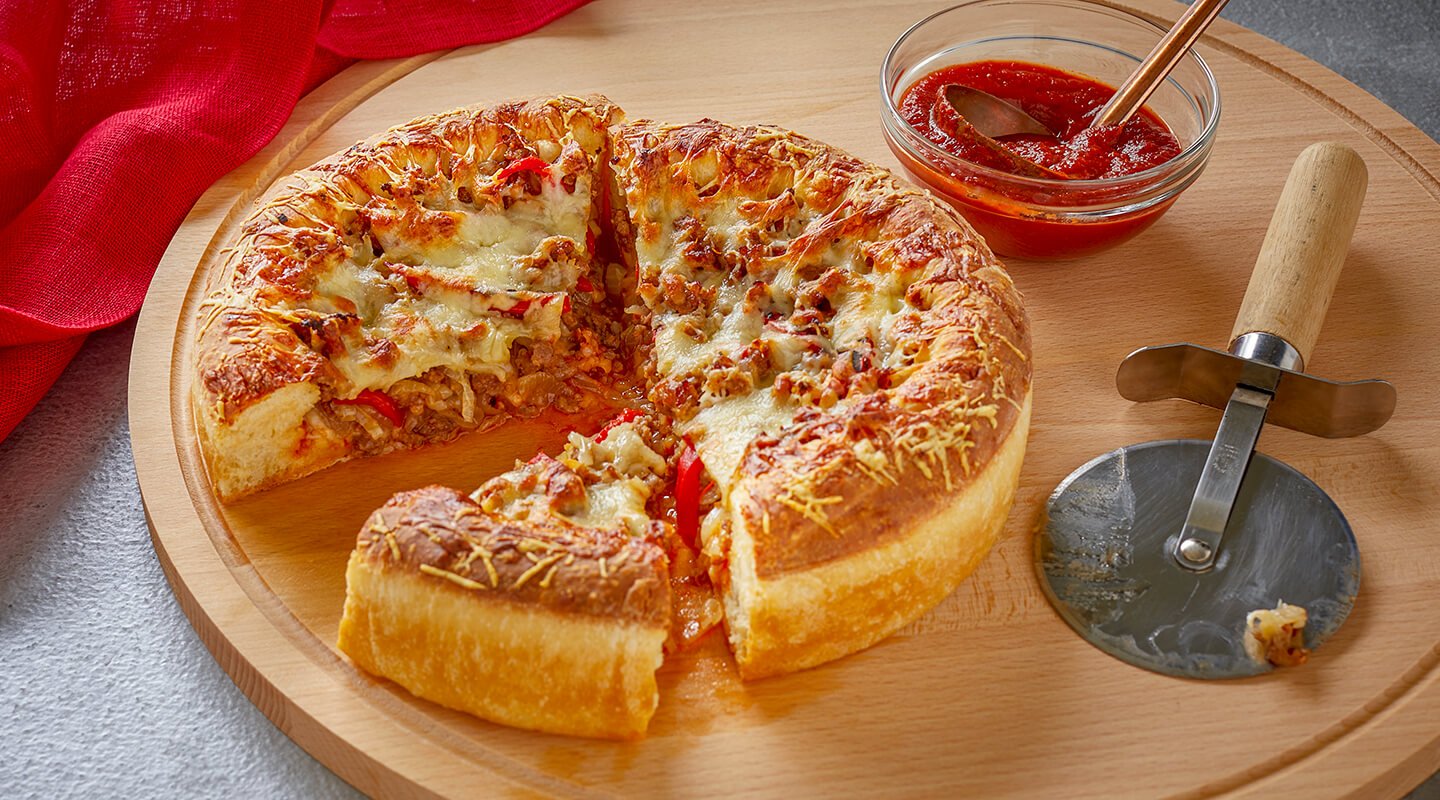
Here is the English version of the text you provided about the melting points of pizza cheeses:
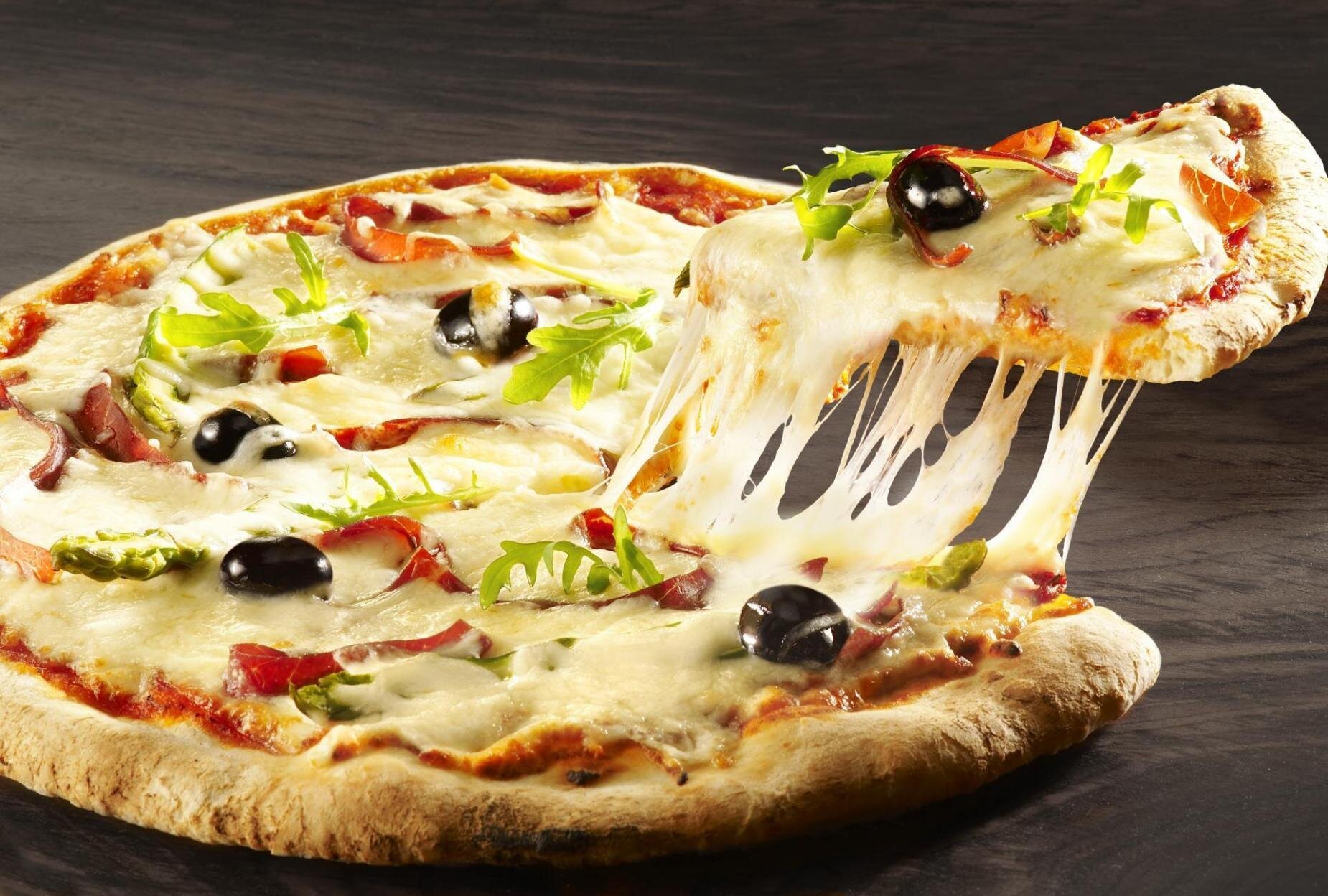
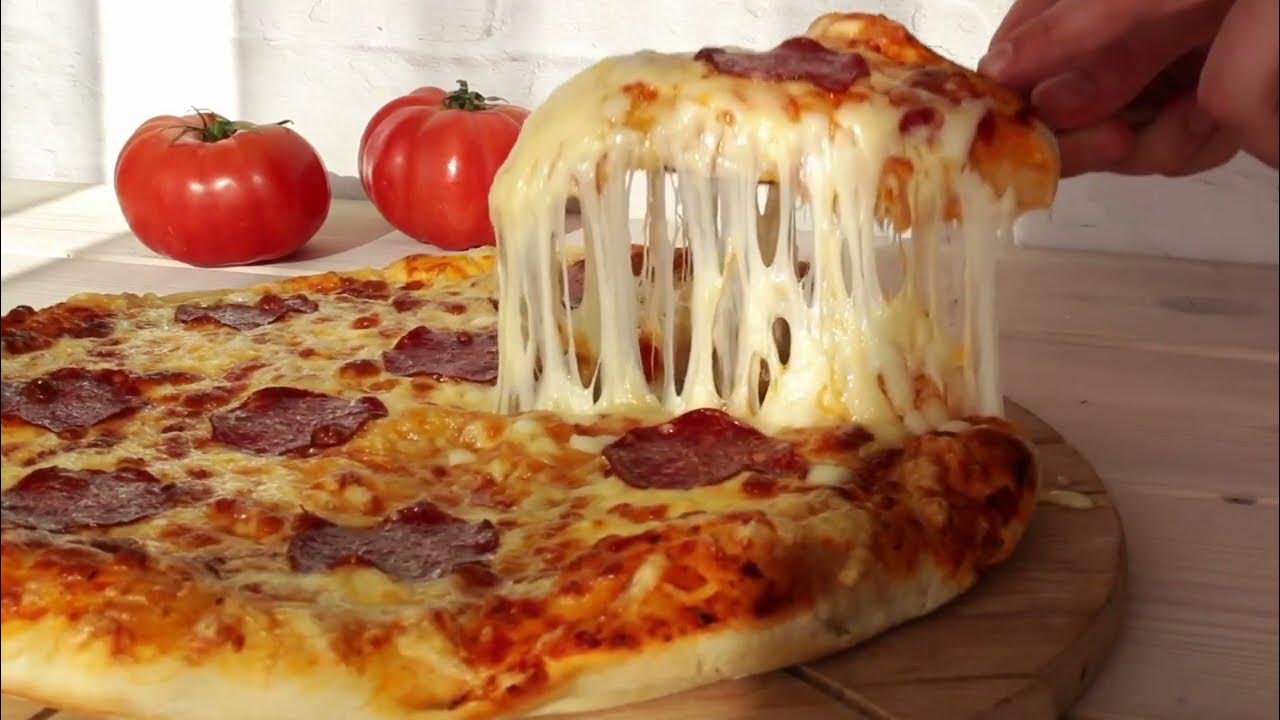
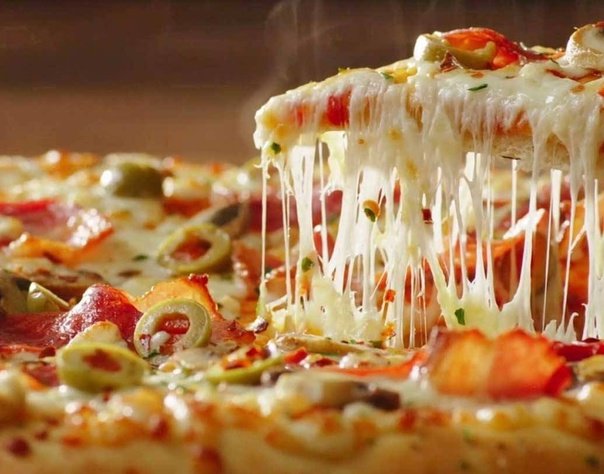
One of the most common cheeses used in pizza is mozzarella. Mozzarella has a relatively low melting point, typically between 130 to 140 degrees Celsius (266 to 284 degrees Fahrenheit). This lower melting point allows mozzarella to achieve its signature stretchy and gooey texture when melted on pizza. As mozzarella melts, its proteins break down and form a matrix that traps moisture, resulting in a smooth, molten cheese pull.
Cheddar Cheese Melting Point
Another popular cheese used in pizza is cheddar. Cheddar cheese has a higher melting point compared to mozzarella, usually ranging from 165 to 170 degrees Celsius (329 to 338 degrees Fahrenheit). This higher melting point means that cheddar cheese takes longer to melt and may not become as stringy and elastic as mozzarella. Instead, cheddar tends to become softer and creamier when melted, adding a rich and tangy flavor to the pizza.
Parmesan Cheese Melting Point
Parmesan cheese, on the other hand, has a significantly higher melting point, typically between 175 to 180 degrees Celsius (347 to 356 degrees Fahrenheit). Due to its lower moisture content and higher protein content, parmesan cheese does not melt as readily as mozzarella or cheddar. Rather than becoming stringy and gooey, parmesan cheese undergoes a process called "breakdown melting." This means that when heated, parmesan cheese becomes brittle and separates into small granules, imparting a sharp, nutty flavor and a crispy texture to the pizza.
Melting Points of Various Pizza Cheeses
Other types of pizza cheese, such as provolone, fontina, and gouda, also have their unique melting characteristics. Provolone cheese has a melting point similar to cheddar, while fontina cheese melts at a lower temperature, resulting in a creamier consistency. Gouda cheese, on the other hand, has a higher melting point that yields a smoky and slightly sweet flavor when melted.
The Impact of Melting Point on Pizza Cheese Types
In conclusion, the impact of melting point on different types of pizza cheese is important to consider as it influences the overall taste and texture of the pizza. The melting point of cheese is determined by its fat and protein content, with higher fat content leading to lower melting points. Understanding the melting characteristics of various cheeses can help pizza makers create the perfect combination of flavors and textures in their pizzas. So, the next time you enjoy a delicious slice of pizza, take a moment to appreciate the science behind the melted cheese that makes it so delectable.
Proper Melting Point of Pizza Cheese
The proper melting point of pizza cheese plays a pivotal role in determining the taste and overall quality of a pizza. It’s the perfect blend of stretchiness, browning, and flavor that makes pizza cheese truly exceptional. With a wide array of cheeses available, each boasting its unique characteristics, selecting the right melting point is essential to achieve pizza perfection.
Different types of cheese have varying melting points, which can significantly impact the outcome of your pizza. Mozzarella is the most common cheese for pizza due to its excellent melting properties. Its recommended melting point is around 130-140°C (266-284°F). This temperature range allows the cheese to achieve that desirable stringy and gooey texture while also developing some browning on the edges. When the cheese reaches its recommended melting point, its proteins start to break down, turning into a liquid and elastic consistency. This characteristic is what gives pizza that iconic cheese pull when you take a slice. The heat also helps release the natural oils in the cheese, enhancing the overall flavor and aroma of the pizza. However, it’s important to note that different varieties of mozzarella may have slight variations in their melting points. Fresh mozzarella might have a lower melting point compared to aged mozzarella. Therefore, it’s crucial to consider the type and quality of mozzarella you’re using when determining the appropriate melting temperature.
Other popular cheeses used in pizza include cheddar, provolone, and fontina, each with their distinct melting behaviors. Cheddar cheese, for instance, has a higher melting point than mozzarella, typically around 150°C (302°F). This higher melting point allows cheddar to achieve a beautiful golden-brown color while still maintaining a nicely melty texture.
Provolone cheese is known for its high melting point, usually around 180°C (356°F). This cheese is often used in pizzas to impart a distinct smoky flavor and a slightly chewy texture. Fontina cheese, on the other hand, has a lower melting point, around 120°C (248°F), which results in a smoother and creamier texture when melted.
Ideal Melting Point
Finding the ideal melting point for your cheese of choice is a process of experimentation and personal preference. It also depends on your cooking method. Traditional brick ovens can handle higher temperatures, resulting in a faster and more intense melting process. On the other hand, home ovens typically operate at lower temperatures, requiring some adjustments to achieve the desired melting results.
To ensure your pizza cheese melts perfectly, it’s advisable to preheat your oven to ensure even and consistent heat distribution. This will ensure that the cheese melts uniformly without burning or becoming too greasy. Monitoring the cheese as it melts is also crucial. Avoid leaving your pizza in the oven for too long, as this can cause the cheese to become too brittle or rubbery. In conclusion, the recommended melting point for pizza cheese significantly impacts the final taste and texture of the pizza. Understanding the melting properties of different cheeses, such as mozzarella, cheddar, provolone, and fontina, is essential for achieving that perfect melt. Experimentation, attention to detail, and consideration of your cooking method will ultimately lead to a delicious pizza with perfectly melted, gooey cheese. So, go ahead and get melting, and savor every stringy, cheesy bite of your homemade pizza masterpiece.