
8 Differences Between Cheddar and Mozzarella Cheese
8 Differences Between Cheddar and Mozzarella Cheese are:
1. Preparation:
Cheddar cheese is made from cow's milk, while mozzarella cheese is made from buffalo milk. This difference in the origin of the milk causes a difference in the final taste and consistency of the cheeses.
2. Taste:
Cheddar cheese has a slightly sharper and stronger taste than mozzarella cheese. This difference in taste is due to the type of milk used in making the cheeses, as well as the length of time they are fermented.
3. Consistency:
Cheddar cheese has a firmer and stickier consistency than mozzarella cheese. This difference in consistency is due to the production method and the ripening process of the cheeses.
4. Whey:
Mozzarella cheese has less whey than Cheddar cheese. This difference is due to the amount of oil and fat in the milk used in making the cheeses, as well as the method of their production.
5. Melting:
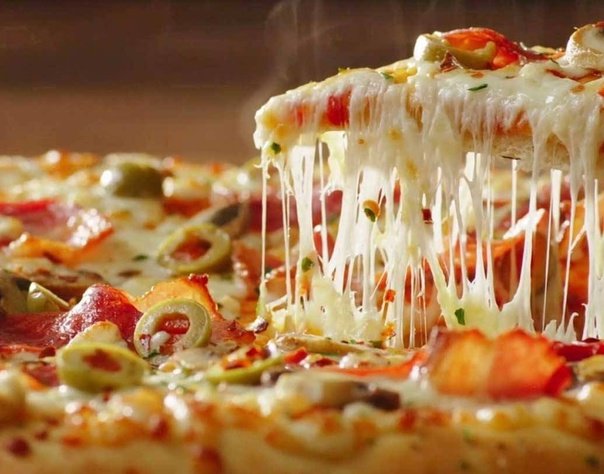
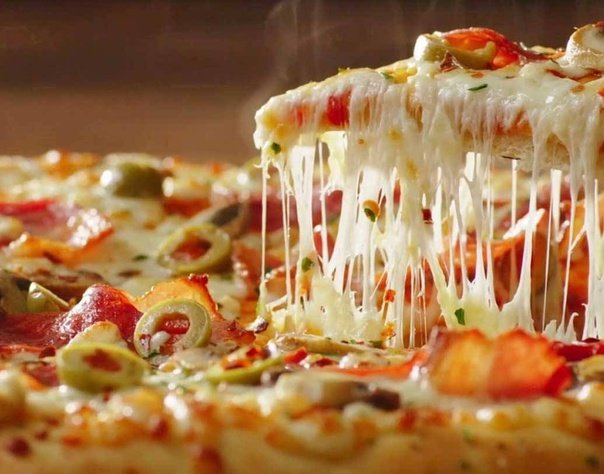
Mozzarella cheese melts better than cheddar cheese. This difference in melting is due to the amount of whey and also the design of their internal structure.
6. Culinary uses:
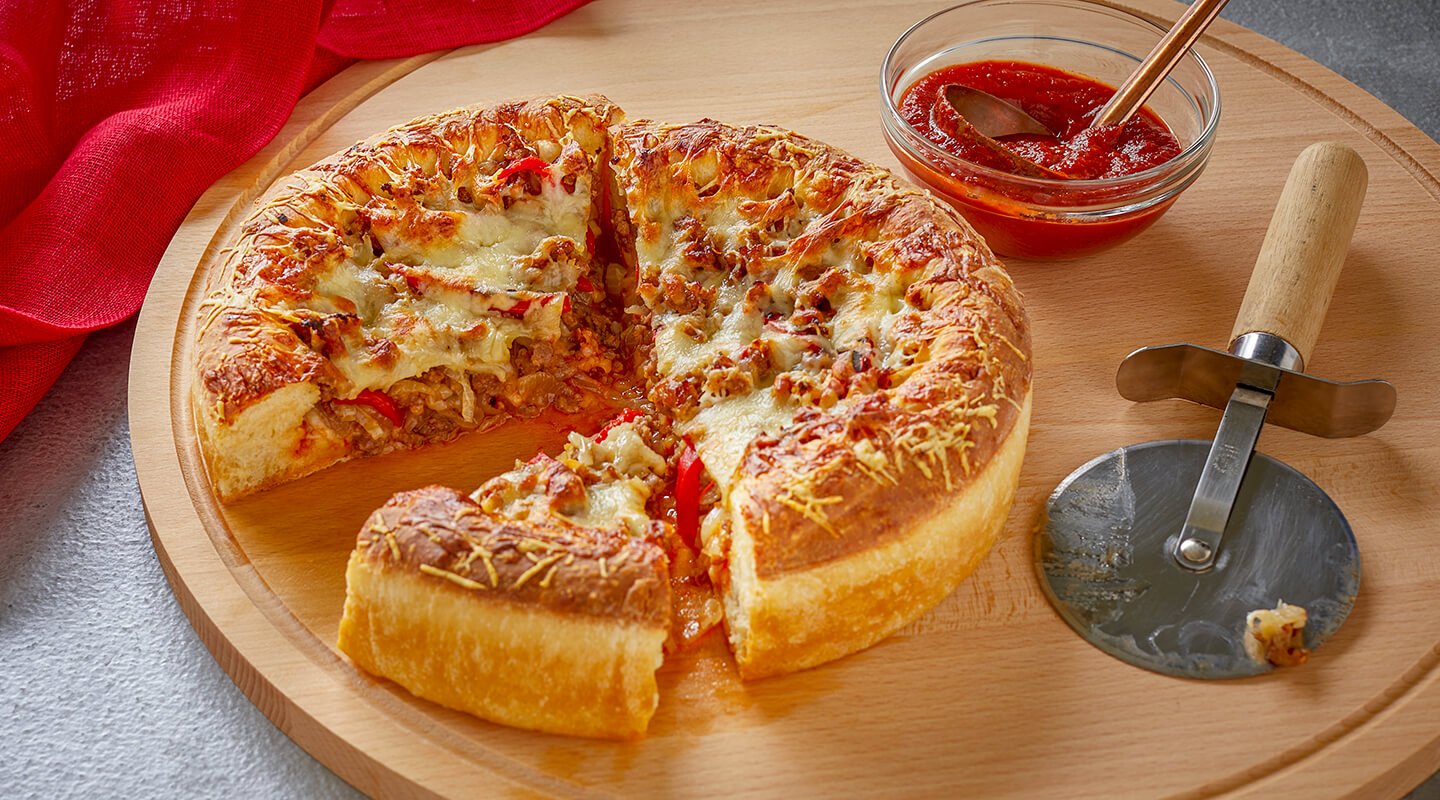
Cheddar cheese is used to make sandwiches, pizza and traditional pastas due to its sharper taste and firmer consistency. Mozzarella cheese, on the other hand, is suitable for making pizza, lasagna, grilled sandwiches and salads due to its softer and more melting consistency.
7. Price:
Cheddar cheese is generally more expensive than mozzarella cheese. This difference in price is due to the type of milk used in making the cheeses as well as their production process.
8. Shelf life:
Cheddar cheese usually has a longer shelf life than mozzarella cheese due to its firmer consistency and sharper taste. This difference in shelf life is due to the chemical composition and whey content of the cheeses.
In short, cheddar cheese and mozzarella cheese differ in terms of preparation, taste, consistency, whey, melting, culinary uses, price, and shelf life. Each of these types of cheese can be used in cooking and preparing a variety of foods, but they are more suitable for certain foods based on their benefits and properties.